

Athletes constantly look for ways to improve performance, recover faster, and stay injury-free. Train Stronger with Yoga: The Athlete’s Secret Advantage explains why yoga has become a key tool for improving physical performance and mental focus. Once seen only as stretching or relaxation, yoga now plays a serious role in modern athletic training.
From professional players to outdoor enthusiasts, athletes across different sports use yoga to gain an edge. Yoga improves movement quality, builds functional strength, and sharpens mental clarity. Let’s explore how yoga supports athletic performance and why it deserves a place in every training plan.
Why Yoga Matters For Athletic Performance
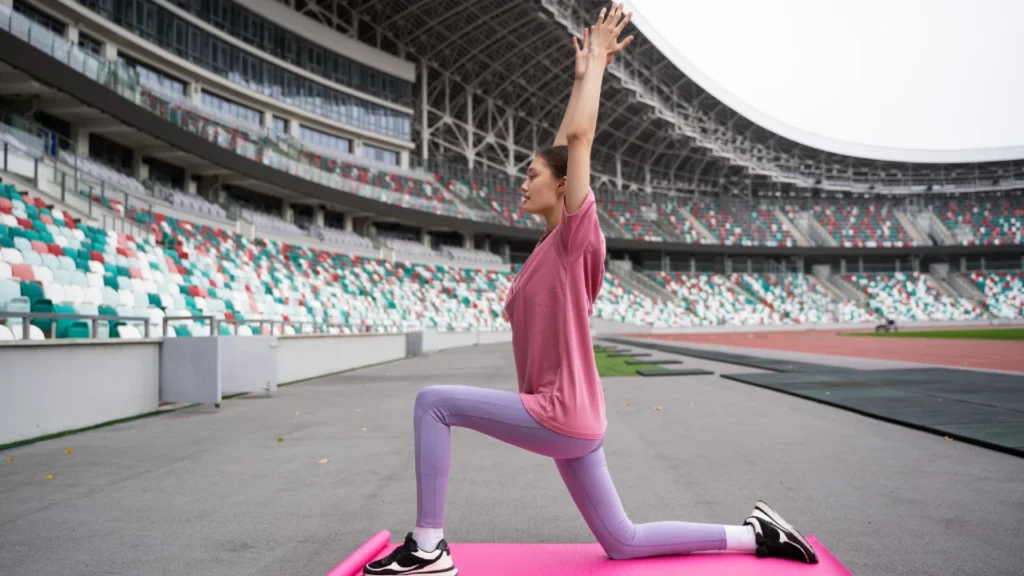
Athletes place heavy demands on their bodies. Repeated movements, intense training sessions, and competition pressure often lead to tight muscles, joint stress, and mental fatigue. Yoga balances these challenges by restoring mobility and improving body awareness.
Yoga focuses on controlled movements, proper alignment, and breathing. These elements help athletes move more efficiently and safely. Better movement reduces wasted energy and lowers injury risk.
Many athletes who enjoy outdoor activities and endurance training follow communities like modernhikes, where movement efficiency and physical balance matter just as much as strength. Yoga supports these goals by creating a stronger connection between the body and mind.
How Yoga Builds Strength, Speed, & Flexibility

One common myth suggests yoga only improves flexibility. In reality, yoga builds full-body strength and control through body-weight resistance and sustained muscle engagement.
Strength, Speed, and Flexibility
- Strength: Yoga strengthens stabilizing muscles that traditional weight training often misses. Poses like plank, chair pose, and warrior variations activate the core, legs, shoulders, and back.
- Speed: Improved mobility and muscle balance allow athletes to move faster and more efficiently. Better range of motion supports quicker reaction times and smoother transitions.
- Flexibility: Yoga lengthens tight muscles and improves joint mobility, which reduces stiffness and supports safer movement.
This powerful combination gives athletes a performance advantage that supports both power and control.
Yoga For Injury Prevention & Recovery

Injuries often slow progress and shorten athletic careers. Many injuries develop because of muscle imbalances, limited mobility, or overuse. Yoga addresses these issues directly.
Yoga improves posture and alignment. It highlights weak areas and helps athletes correct movement patterns before injuries appear. Regular practice also increases circulation, which supports muscle recovery after intense training.
Athletes who practice yoga often experience:
- Reduced muscle soreness
- Fewer joint problems
- Faster recovery after workouts or competitions
Instead of pushing through pain, yoga teaches athletes to train smarter and listen to their bodies.
Mental Focus: A Hidden Advantage Of Yoga

Physical strength alone does not guarantee success in sports. Yoga trains the mind to stay calm and focused.
Breathing techniques used in yoga improve oxygen flow and help control heart rate.
Yoga helps athletes:
- Improve concentration
- Manage performance anxiety
- Stay calm during intense moments
Athletes who control their breath often control their performance better.
Balance & Coordination In Sports Training
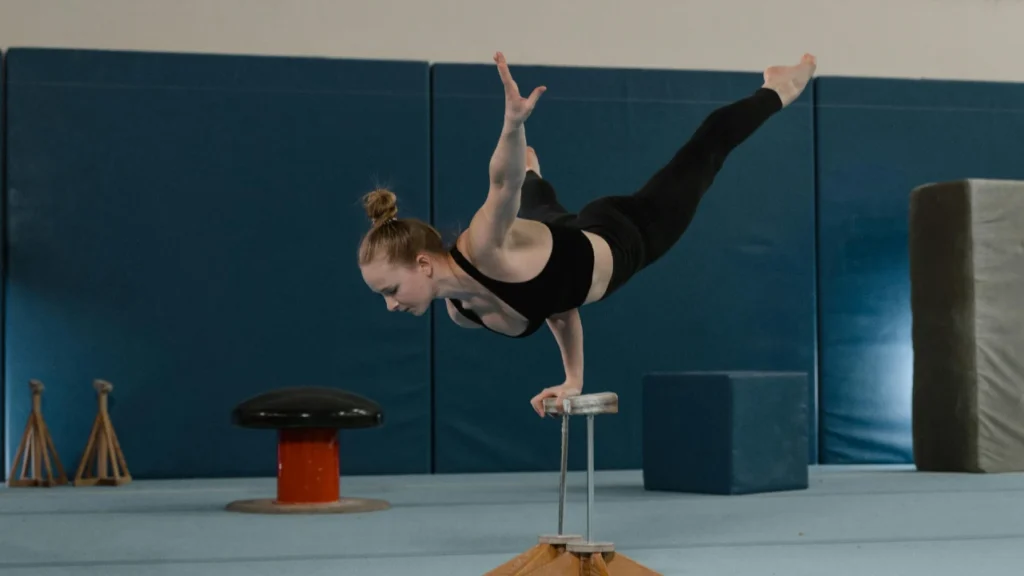
Balance affects nearly every athletic movement. Quick direction changes, jumps, landings, and uneven terrain require stability and coordination.
Yoga improves balance by strengthening small stabilizing muscles and increasing body awareness. Standing poses and slow transitions train the nervous system to react efficiently.
Better balance leads to:
- Improved agility
- Better coordination
- Lower risk of falls and strains
Why Stretching Alone Is Not Enough
Stretching alone does not address strength or control. Yoga combines flexibility with active muscle engagement. This approach trains muscles to stay strong through a full range of motion. That combination protects joints and improves performance. Flexibility without strength increases injury risk.
Yoga Benefits Across Different Sports
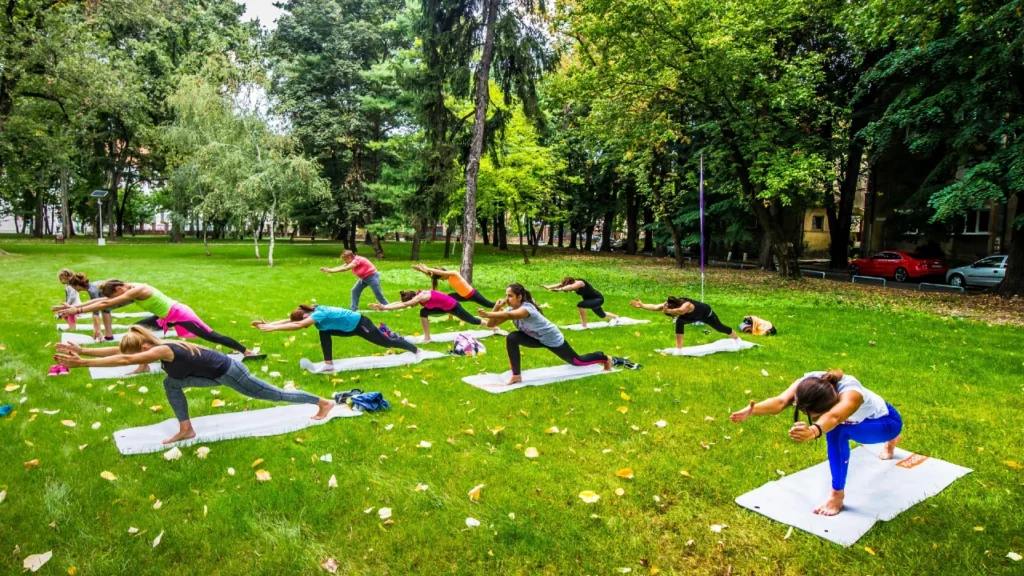
Yoga supports athletes from all backgrounds and disciplines.
- Runners improve hip mobility and reduce knee stress
- Weightlifters gain shoulder stability and core strength
- Team sport athletes enhance agility and coordination
- Endurance athletes improve breathing control and stamina
- Hikers and climbers build balance and joint stability
Because yoga adapts easily, athletes can adjust poses to match their sport’s demands.
Building A Yoga Routine For Athletes
Athletes do not need long yoga sessions to see benefits. Even 20 to 30 minutes a few times a week can make a difference.
A balanced routine should include:
- Dynamic warm-up poses
- Strength-focused holds
- Mobility and flexibility work
- Breathing and relaxation exercises
Yoga & Long-Term Athletic Longevity
Athletic careers depend on durability. Small, regular sessions create lasting progress. Yoga supports long-term performance by protecting joints, improving recovery, and maintaining mobility.
Athletes who add yoga often train longer, recover faster, and enjoy their sport more.
The Mind-Body Connection
Train Stronger With Yoga strengthens the connection between mind and body. Athletes learn how movements feel, not just how they look. This awareness improves technique and efficiency.
That connection often leads to improved performance and reduced injury risk.
Final Thoughts
Train Stronger with Yoga: The Athlete’s Secret Advantage is not just a catchy phrase. Yoga truly enhances athletic performance by improving strength, speed, flexibility, balance, and mental focus. It supports injury prevention, speeds recovery, and builds long-term durability.
Yoga does not replace traditional training. Athletes who combine yoga with strength and conditioning gain a competitive edge that goes beyond raw power.